The Personal Injury Lawyers Carabin Shaw have represented injured Texans for over 34 years. The firm has board-certified Lawyers certified in personal injury trial law by the Texas Board of Legal Specialization, holds an AV Preeminent rating from Martindale-Hubbell, and has zero disciplinary history with the State Bar of Texas. Call (800) 862-1260 for a free case review. Principal office in San Antonio
Rear-End Collisions in Austin: Why Fault Isn’t Always Automatic
A rear-end collision is a crash where one vehicle strikes the back of another, and it’s the most common wreck on Austin’s roads for one simple reason: stop-and-go traffic. Our Austin car accident lawyers handle these cases constantly, because the daily crawl on I-35, MoPac, and US-183 turns a moment of distraction into a chain of bumper-to-bumper impacts. People assume the driver in back is always at fault — and usually they are — but “usually” is not “always,” and the details decide both fault and how seriously an insurer takes the injuries.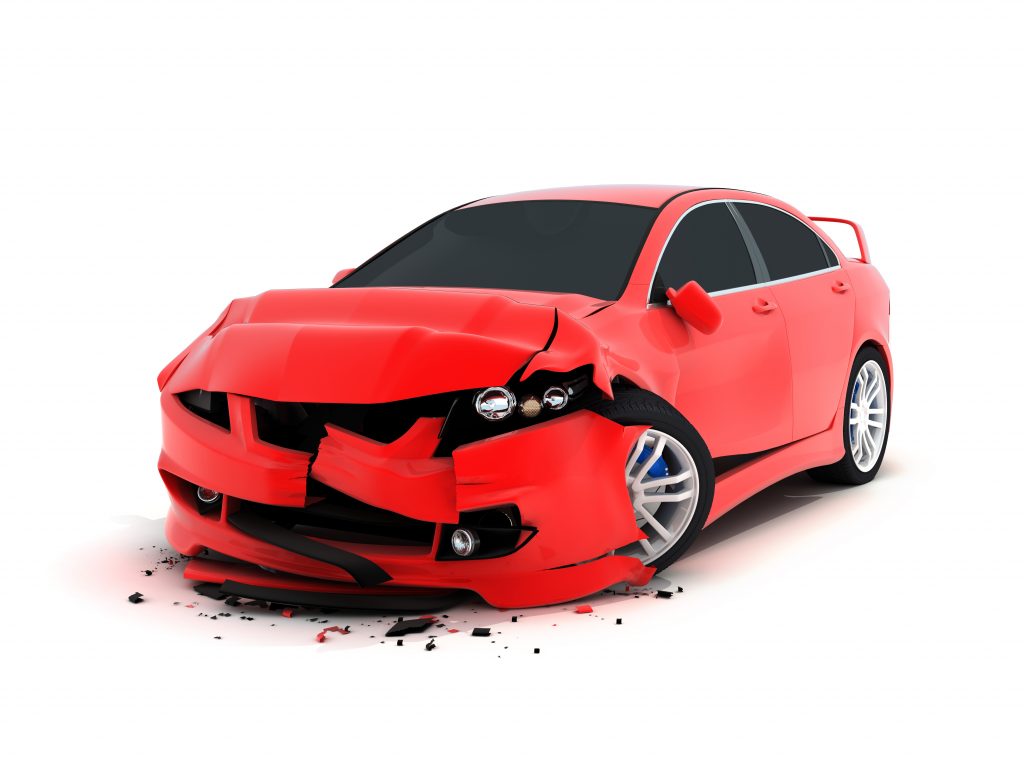
Rear-end crashes get dismissed as minor, and that assumption costs injured people money. A low-speed hit can still cause whiplash, a herniated disc, or a concussion that doesn’t show up until the next day. Insurers lean hard on the “it was just a fender-bender” narrative to minimize real injuries, which is exactly why the medical picture and the crash details matter so much.
Understanding what actually drives fault in a rear-end case protects you from being underpaid or wrongly blamed.
Why Rear-End Crashes Happen in Austin Traffic
Congestion and inattention are the engine behind most rear-end wrecks. The causes our attorneys see most often include:
- Distracted driving. A driver looks at a phone and never sees traffic stop ahead.
- Following too closely. Tailgating in stop-and-go traffic leaves no room to react.
- Sudden stops. Traffic halts without warning at a merge, a light, or a work zone.
- Speeding into slowed traffic. A driver going too fast for conditions can’t stop in time.
- Chain reactions. One hard hit shoves a car into the vehicle ahead of it.
When the Rear Driver Isn’t Fully at Fault
Texas follows a modified comparative fault rule, and the front driver isn’t automatically blameless. Fault can shift or split when the lead driver brake-checked, stopped for no reason in a travel lane, reversed unexpectedly, or drove with broken brake lights that gave no warning. In a chain-reaction pileup, several drivers may share responsibility. Because your recovery is reduced by your percentage of fault — and barred if you’re more than half at fault — challenging an unfair blame assignment directly affects what your claim is worth.
Proving the Injury Was Real
The battle in most rear-end cases is over the seriousness of the injury, not who hit whom. Insurers argue that a small dent means a small injury, which isn’t how the human body works. Prompt medical care that documents the injury, a clear treatment record, and evidence of how the injury affects daily life all counter the lowball narrative. Vehicle damage photos, the crash report, and any dashcam or traffic-camera footage help establish the force of the impact and the sequence of a multi-car hit.
Our team works to build that record early, and a former police officer on our investigation team can help reconstruct a chain-reaction crash where the order of impacts decides who’s responsible.
What a Rear-End Claim Can Recover
Injured drivers and passengers can recover medical costs, future care for lasting injuries like disc damage, lost income, diminished earning capacity, property damage, and pain and suffering. Soft-tissue and spine injuries from rear-end crashes can require months of treatment or even surgery, so the value of a claim reflects the full course of recovery, not the size of the dent.
Because insurers move fast to frame these as trivial, documenting the injury and the impact early is what keeps a rear-end claim from being undervalued.
Speak With Our Austin Car Accident Lawyers
If you were rear-ended in Austin, don’t let an insurer wave it off as a fender-bender when your neck and back say otherwise. Carabin Shaw can document the injury and the impact and push for what your claim is really worth. Call (512) 832-1101 for a free consultation — no fee unless we win.